
Pest control and fumigation services
Maltz offers residential and commercial pest control and fumigation. Every job starts with finding out which pest you have and how it is getting in.
Residential pest control
We serve homes throughout Kenya. Our qualified technicians deal with rats and mice, termites, wasps, fleas, flies, bed bugs and cockroaches.
Pests are more than a nuisance. Rats, mice and cockroaches can carry diseases such as salmonella and leptospirosis, and rodents gnaw through wiring, which damages equipment and can cause power faults.
Commercial pest control
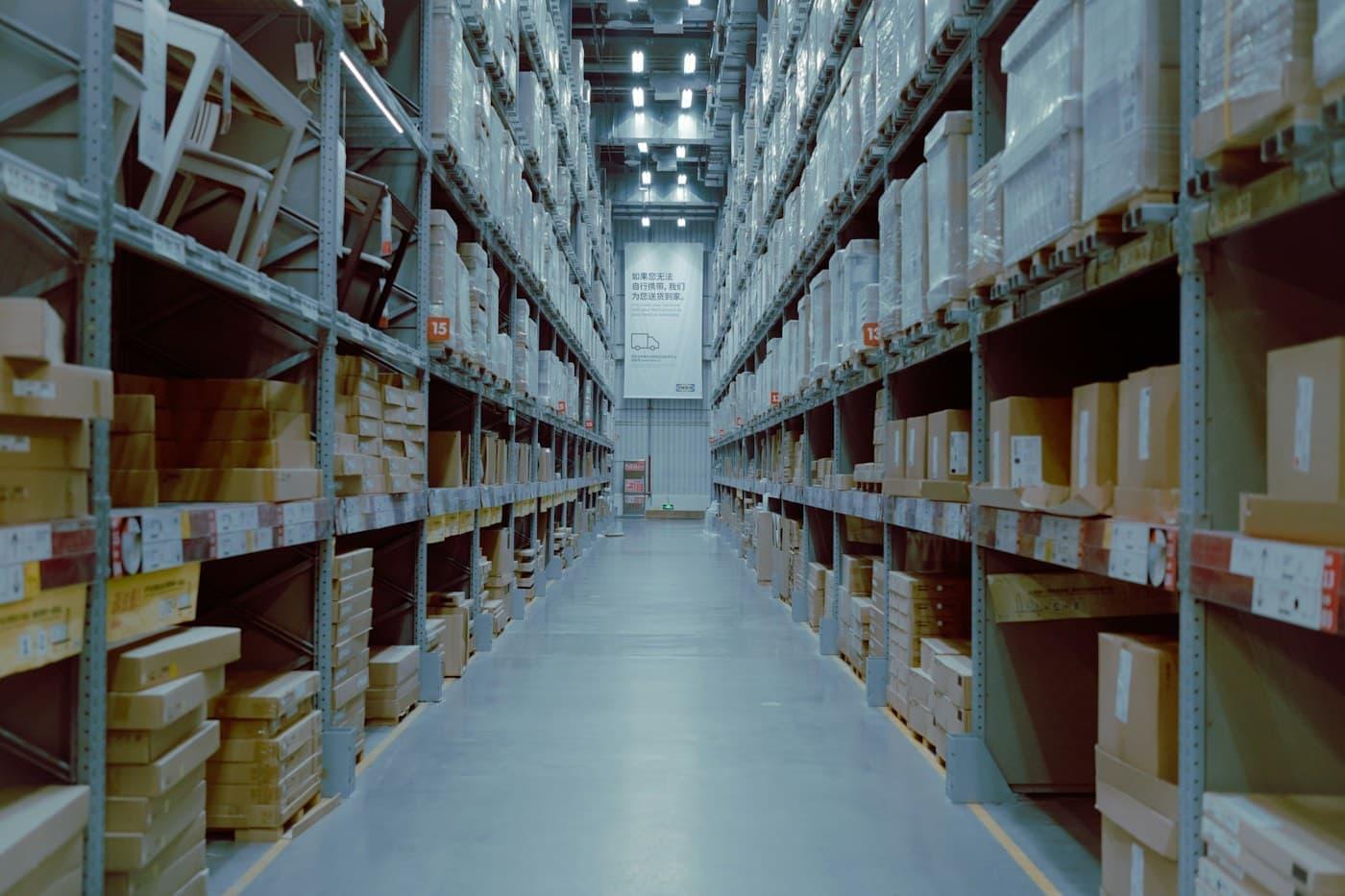
Commercial pest control is our specialty. We control cockroaches, rats and mice, termites, stored product insects and flies in hotels, lodges, apartments and other business premises.
Businesses need adequate pest control to meet health and safety recommendations, and any infestation should be dealt with straight away. This matters most for premises that handle food.
We also advise on keeping premises pest-free. Our focus is on denying pests access and removing the conditions that let infestations develop.
Fumigation
We fumigate for businesses in shipping and cargo, manufacturing, warehousing, milling and agriculture.
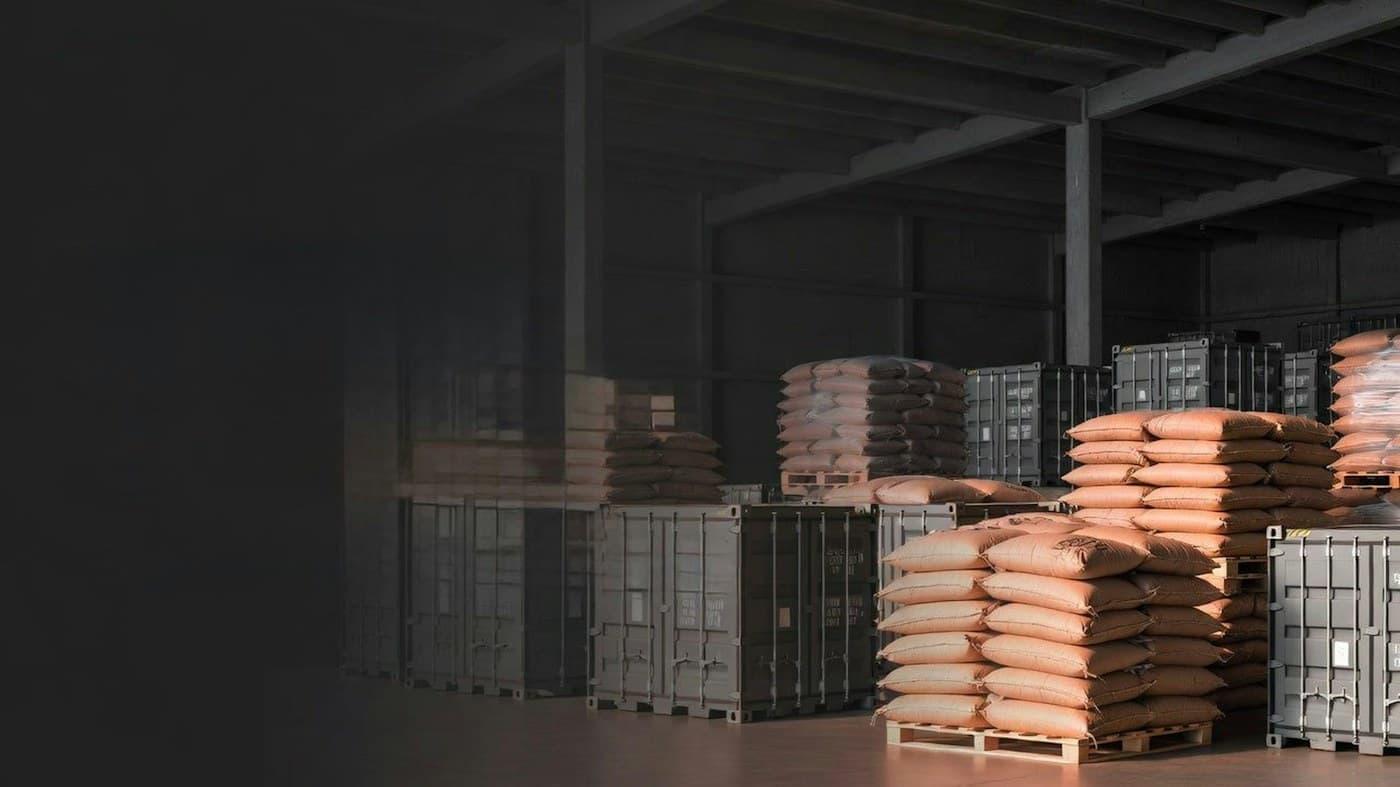
Fumigation targets stored product insects such as beetles, weevils, mites and moths. These can infest grain and bulk commodities such as wheat, maize, rice, nuts and animal feed, as well as raw materials used in food and feed production.
Phosphine fumigation
Phosphine fumigation is a cost-effective way to eliminate insect pests in bulk commodities. It treats every life stage of the target insect, does not taint the commodity and leaves no pesticide residue.
Our technicians plan each treatment to limit disruption to your operations.
How we work: Integrated Pest Management
We use a five-stage approach that focuses on preventing pests rather than reacting after they appear.
1.Inspection
We start with the building itself: its layout, construction materials and the ways pests could get in, such as doors, windows, vents, pipework and drains. The aim is to deny pests access and remove places where they can hide.
2.Identification
We identify the pest and plan the response. That can include physical controls (maintaining the building so pests cannot get in), cultural controls (changing procedures that allow infestations), sanitation controls (removing food sources such as waste, spills and badly stored food) and, where needed, chemical treatment.
3.Monitoring
Trained personnel are responsible for each area of the control measures. We carry out the inspection regime according to the plan, and we record actions and results in line with standards and legal requirements.
4.Action
When there is an outbreak, we first identify the species, because related pests behave differently and need different treatment. We also work out where the pest came from, for example delivered goods, structural defects, poor maintenance, poor hygiene or decaying goods, so that it does not return.
5.Evaluation
We review how well the programme is working, including our pest control operations and the operating procedures that affect pest risk.
What you can expect
- Licensed technicians with training and experience
- A treatment method chosen for your premises and your pest
- Written records of actions and results
- Advice on keeping your premises pest-free